
Embark on a journey through the landscape of autoimmune digestive diseases in 2025, exploring the latest developments and insights that shape our understanding of these conditions. Delve into the complexities of this field as we uncover the impact, causes, symptoms, treatment options, and research trends that define the landscape of autoimmune digestive diseases today.
Introduction to Autoimmune Digestive Diseases
Autoimmune digestive diseases are conditions in which the immune system mistakenly attacks the digestive system, leading to inflammation, damage, and dysfunction. Common examples include celiac disease, Crohn's disease, and ulcerative colitis.These diseases can have a significant impact on the body, affecting the ability to properly digest food, absorb nutrients, and eliminate waste.
Symptoms may include abdominal pain, bloating, diarrhea, and weight loss, among others. If left untreated, autoimmune digestive diseases can result in serious complications and reduced quality of life.
Prevalence of Autoimmune Digestive Diseases in 2025
In 2025, the prevalence of autoimmune digestive diseases continues to rise, with more individuals being diagnosed each year. Improved awareness, advancements in diagnostic tools, and changing lifestyle factors have contributed to the increased detection of these conditions.According to recent studies, the incidence of autoimmune digestive diseases in 2025 has shown a significant uptick compared to previous years.
This trend highlights the importance of early detection, proper management, and ongoing research to better understand and address these complex conditions.
Causes and Risk Factors
Autoimmune digestive diseases can be triggered by a combination of genetic, environmental, and immunological factors. The immune system mistakenly attacks the digestive system, leading to inflammation and damage to the tissues.
Potential Causes
- Genetic predisposition: Individuals with a family history of autoimmune diseases are more likely to develop autoimmune digestive diseases.
- Environmental factors: Exposure to certain triggers such as infections, diet, or toxins can contribute to the development of these diseases.
- Immunological factors: Dysfunction in the immune system, such as an overactive response, can also play a role in the onset of autoimmune digestive diseases.
Risk Factors
- Gender: Women are more commonly affected by autoimmune digestive diseases compared to men.
- Age: These diseases often manifest in young adulthood but can occur at any age.
- Smoking: Smoking has been linked to an increased risk of developing certain autoimmune digestive diseases.
- Stress: Chronic stress can impact the immune system and potentially trigger autoimmune responses in the digestive system.
Emerging Research
Recent studies have suggested a potential link between the gut microbiome and autoimmune digestive diseases. Imbalance in the gut flora could contribute to the development of these conditions. Additionally, research is ongoing to explore the role of specific dietary factors and their impact on autoimmune responses in the digestive system.
Symptoms and Diagnosis
Autoimmune digestive diseases can present a variety of symptoms, making them challenging to diagnose accurately. Common symptoms include abdominal pain, bloating, diarrhea, constipation, weight loss, fatigue, and nutrient deficiencies. These symptoms can often overlap with other gastrointestinal disorders, complicating the diagnostic process.
Challenges in Diagnosing Autoimmune Digestive Diseases
- Non-specific Symptoms: The symptoms of autoimmune digestive diseases can mimic those of other conditions, leading to misdiagnosis or delayed diagnosis.
- Overlap with Other Disorders: The overlap in symptoms with conditions like irritable bowel syndrome (IBS) can make it difficult to differentiate autoimmune digestive diseases.
- Variable Presentation: These diseases can have a wide range of presentations, making it challenging to pinpoint a specific diagnosis.
Advancements in Diagnostic Tools
- Advanced Imaging Techniques: Technologies like MRI, CT scans, and capsule endoscopy have improved visualization of the digestive tract, aiding in the diagnosis of autoimmune diseases.
- Biomarker Testing: Blood tests that measure specific biomarkers associated with autoimmune diseases, such as anti-TTG antibodies for celiac disease, can help in early detection.
- Genetic Testing: Genetic testing can identify specific gene mutations linked to autoimmune digestive diseases, providing valuable diagnostic information.
Treatment Options
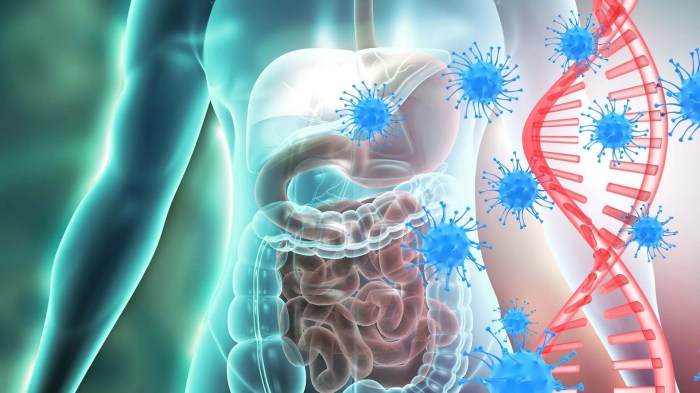
Autoimmune digestive diseases can be challenging to manage, but there are several treatment options available to help individuals cope with their symptoms and improve their quality of life. These treatment approaches can range from traditional methods to emerging therapies, as well as incorporating diet and lifestyle changes to better manage the conditions.
Current Treatment Options
- Medications: The primary treatment for autoimmune digestive diseases often involves the use of medications to help reduce inflammation, suppress the immune system, and manage symptoms such as pain, diarrhea, and bloating.
- Surgery: In some cases, surgery may be necessary to remove damaged tissue or organs affected by the autoimmune disease, especially in conditions like Crohn's disease or ulcerative colitis.
- Immunosuppressive Therapy: This treatment option aims to suppress the immune system's abnormal response, helping to prevent further damage to the digestive system.
Emerging Therapies
- Biologic Therapies: These treatments target specific proteins in the immune system to help reduce inflammation and symptoms associated with autoimmune digestive diseases.
- Stem Cell Therapy: Emerging as a potential treatment option, stem cell therapy aims to repair damaged tissue in the digestive system and modulate the immune response.
- Microbiome Restoration: Restoring the balance of gut bacteria through fecal microbiota transplantation (FMT) or probiotics is being explored as a novel approach to managing autoimmune digestive diseases.
Role of Diet and Lifestyle Changes
Aside from medical interventions, diet and lifestyle modifications play a crucial role in managing autoimmune digestive diseases. Making changes such as:
- Following a specific diet plan recommended by a healthcare provider, such as a low-FODMAP diet for individuals with irritable bowel syndrome (IBS).
- Regular exercise to help reduce inflammation and improve overall health.
- Reducing stress through relaxation techniques like yoga or meditation, as stress can exacerbate symptoms of autoimmune diseases.
Impact on Quality of Life
Autoimmune digestive diseases can have a significant impact on patients' quality of life, affecting not only their physical health but also their emotional and mental well-being. The chronic nature of these conditions, along with the unpredictable flare-ups and symptoms, can lead to various challenges that impact daily activities and overall happiness.
Emotional and Mental Health Aspects
Living with autoimmune digestive diseases can take a toll on patients' emotional and mental health. The constant pain, discomfort, and uncertainty about their condition can lead to feelings of anxiety, depression, and isolation. Patients may also experience frustration and anger due to the limitations imposed by their illness.
It is essential for patients to have a strong support system in place, including healthcare professionals, family, and friends, to help them cope with these emotional challenges.
Strategies for Coping
Coping with the challenges posed by autoimmune digestive diseases requires a multi-faceted approach. Patients can benefit from lifestyle modifications, such as following a specialized diet recommended by healthcare providers, engaging in regular exercise, and practicing stress-reducing activities like yoga or meditation.
Support groups and counseling can also provide valuable emotional support and practical tips for managing symptoms and improving quality of life. Additionally, staying informed about the latest research and treatment options can empower patients to take an active role in their healthcare journey.
Research and Future Directions

Autoimmune digestive diseases have been the subject of significant research in recent years, leading to a better understanding of these complex conditions. Researchers have been focusing on various aspects of these diseases to improve diagnosis, treatment, and overall management. By 2025, several potential breakthroughs and advancements are expected in the field, offering hope for better outcomes for patients.
However, there are still areas that require further research and understanding to enhance the management of autoimmune digestive diseases.
Recent Research Trends
Recent research in autoimmune digestive diseases has been centered on unraveling the underlying mechanisms that drive these conditions. Scientists have been investigating the role of genetics, environmental factors, and the gut microbiome in the development of autoimmune digestive diseases. Moreover, advancements in technology have enabled researchers to explore new treatment approaches, such as precision medicine tailored to individual patients' needs.
Potential Breakthroughs by 2025
By 2025, we anticipate significant advancements in the development of targeted therapies for autoimmune digestive diseases. Researchers are exploring novel treatment options, including biologics and gene therapies, that aim to modulate the immune response and reduce inflammation in the digestive system.
Additionally, the use of artificial intelligence and big data analytics is expected to enhance diagnostic capabilities and personalized treatment strategies.
Areas Requiring Further Research
While progress has been made in understanding autoimmune digestive diseases, there are still gaps in knowledge that need to be addressed. Further research is needed to identify biomarkers for early detection, predict disease progression, and assess treatment response. Additionally, more studies are required to elucidate the interactions between the immune system, gut microbiome, and environmental factors in the development of these diseases.
Final Conclusion
As we conclude our exploration of autoimmune digestive diseases in 2025, we reflect on the progress made and the challenges that lie ahead. From advancements in treatment to the evolving research landscape, the future holds promise for improved management and understanding of these complex conditions.
Popular Questions
What are some common autoimmune digestive diseases?
Common examples include Crohn's disease, ulcerative colitis, and celiac disease.
How do autoimmune digestive diseases impact the body?
These diseases can cause inflammation and damage to the digestive system, leading to various symptoms and complications.
What are the challenges in diagnosing autoimmune digestive diseases?
Diagnosing these diseases can be difficult due to overlapping symptoms with other conditions and the need for invasive procedures like endoscopies.
Are there emerging therapies for treating autoimmune digestive diseases?
Research is ongoing, and there are promising new treatment approaches such as biologic therapies and personalized medicine.